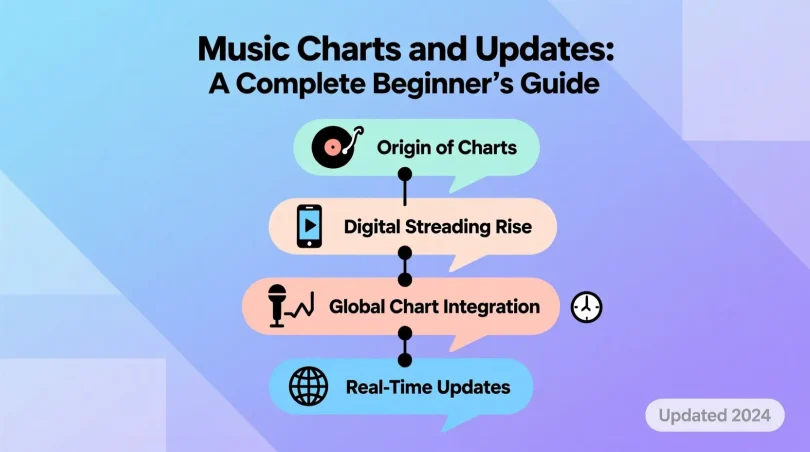

Introduction
Music has always been a powerful way to connect people, cultures, and emotions. In today’s digital world, music changes fast, and new songs become popular every day. This is where music charts and updates play an important role. They help listeners, artists, and industry professionals understand which songs are trending, which artists are rising, and what listeners love the most.
For beginners, music charts might seem confusing at first. There are many types of charts, different ranking systems, and frequent updates that change weekly or even daily. However, once you understand how they work, following music trends becomes easy and exciting. Music charts and updates also help fans discover new songs, follow their favorite artists, and stay connected with global music movements.
In this article, you will learn everything about music charts and updates in a simple and easy way. We will explain what they are, why they matter, how they are created, and how you can use them for entertainment or professional growth. Whether you are a music lover, a beginner artist, or someone curious about the music industry, this guide will give you clear and useful knowledge.
This guide is written in simple English, with practical examples and easy explanations. By the end, you will understand how music charts work, how updates affect rankings, and how to use this information wisely. Let’s begin by understanding the basics.
What is Music Charts and Updates?
Music charts and updates refer to ranked lists of songs, albums, or artists based on popularity. These rankings are created using data such as song streams, downloads, radio plays, and sometimes audience votes. The charts are updated regularly to reflect the latest trends in music.
Music charts can be weekly, daily, or monthly. Some popular charts focus on global music, while others highlight regional or genre-specific music. For example, there are charts for pop, hip-hop, rock, and local languages.
Updates are important because music popularity changes quickly. A song that is number one today may drop next week. Music charts and updates show these changes in real time or on a fixed schedule. This helps listeners stay current and helps artists track their performance.
In simple words, music charts and updates are like a scoreboard for songs. They show what people are listening to the most and what is gaining attention across different platforms.
Why is Music Charts and Updates Important?
Music charts and updates play a major role in the modern music industry. They affect listeners, artists, producers, and even advertisers.
First, they help listeners discover new music. Many people rely on charts to find trending songs instead of searching randomly. This saves time and introduces them to popular tracks.
Second, charts help artists measure success. A high ranking can boost an artist’s confidence, popularity, and career opportunities. It also helps record labels decide where to invest.
Third, music charts and updates influence marketing and promotions. Radio stations, streaming platforms, and event organizers use charts to select songs for playlists, shows, and concerts.
Finally, charts create competition. Artists try to improve their work to reach higher positions. This competition often leads to better quality music for listeners.
In short, music charts and updates shape the music industry by guiding trends, measuring success, and connecting artists with audiences.
May be you like it:
Investment Guide for Beginners: A Simple Path to Smart Investing
Personal Finance Tips: A Practical Guide to Smart Money Management
Productivity Hacks 2025: A Practical Guide to Getting More Done
Detailed Step-by-Step Guide
Step 1: Understanding How Music Charts Are Created
Music charts are based on data collected from different sources. These may include:
- Digital streaming numbers
- Song downloads
- Radio airplay
- User engagement
- Sales data
Each chart uses a specific formula. Some give more importance to streaming, while others focus on sales or radio plays. The goal is to reflect what people are listening to the most.
Step 2: Types of Music Charts
There are many types of music charts available today. Some common ones include:
- Global charts: Show worldwide popularity
- Country-based charts: Focus on a specific region
- Genre charts: Pop, rock, hip-hop, classical, etc.
- Artist charts: Rank artists instead of songs
- Album charts: Rank full albums
Each type serves a different purpose and audience.
Step 3: How Music Updates Work
Music updates happen on a fixed schedule. Most charts update weekly, while some update daily. These updates show:
- New entries
- Songs moving up or down
- Songs leaving the chart
- Long-term top performers
Updates help listeners track trends and notice sudden hits or viral songs.
Step 4: Role of Streaming Platforms
Streaming platforms play a huge role in modern music charts and updates. They collect data from millions of users daily. Plays, skips, likes, and shares all contribute to chart rankings.
Because of streaming, music trends now change faster than ever before. A song can become popular overnight.
Step 5: How Artists Use Music Charts
Artists use charts to measure success and plan future releases. High chart positions help them:
- Gain media attention
- Get more bookings
- Attract sponsors
- Build a loyal fan base
For new artists, charts provide exposure and growth opportunities.
Step 6: How Listeners Can Use Music Charts
Listeners can use charts to:
- Discover trending songs
- Explore new genres
- Follow favorite artists
- Stay updated with current music
Music charts and updates make listening more fun and organized.
Benefits of Music Charts and Updates
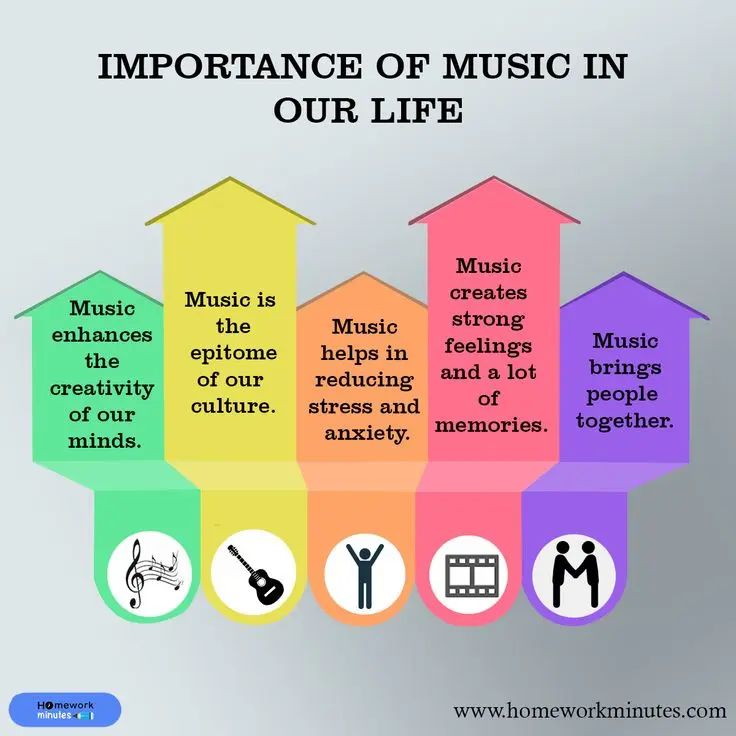
- Help discover new and trending songs
- Show real-time music popularity
- Support artists by increasing visibility
- Guide listeners toward quality content
- Help industry professionals make decisions
- Track music trends over time
- Encourage healthy competition
- Improve music marketing strategies
Music charts and updates benefit both creators and listeners by creating a balanced and transparent system.
Disadvantages / Risks
- Charts may favor already popular artists
- Smaller artists may struggle for visibility
- Data manipulation can affect rankings
- Overfocus on charts can reduce creativity
- Trends may change too quickly
- Some charts may not represent all listeners
While useful, music charts should not be the only measure of musical quality.
Common Mistakes to Avoid
Many people misunderstand how music charts and updates work. Here are common mistakes to avoid:
- Believing chart rank equals talent
- Ignoring independent or local music
- Assuming charts are permanent
- Following only one chart source
- Overlooking genre-specific charts
- Thinking high rank means long-term success
Understanding these mistakes helps you use music charts more wisely.
May be you like it:
Entrepreneurship Ideas: Practical Ways to Start and Grow Successfully
Stock Market Updates: A Complete Guide for Beginners and Growing Investors
Business News 2025: Trends, Growth, and Future Insights
FAQs
1. What are music charts and updates?
Music charts and updates show ranked lists of popular songs and artists based on data like streams, sales, and plays.
2. How often are music charts updated?
Most charts are updated weekly, but some update daily depending on the platform.
3. Are music charts reliable?
Yes, but they depend on data sources. Some charts focus more on streaming, while others include sales and radio plays.
4. Can new artists appear on music charts?
Yes, many new artists appear on charts when their songs gain popularity through streaming or social sharing.
5. Do music charts affect an artist’s career?
Yes, high chart rankings can lead to more exposure, opportunities, and industry recognition.
6. How can listeners benefit from music charts?
Listeners can discover trending songs, explore new genres, and stay updated with current music trends.
Expert Tips & Bonus Points
- Follow multiple charts for better understanding
- Explore genre-based charts for hidden gems
- Track weekly changes to spot trends
- Support new artists by streaming their music
- Do not rely only on chart position
- Use charts as a discovery tool, not a rulebook
- Combine personal taste with popular trends
These tips will help you make better use of music charts and updates without limiting your music experience.
Conclusion
Music charts and updates play a vital role in today’s music industry. They help listeners discover new music, guide artists toward success, and shape global music trends. From streaming numbers to weekly rankings, charts provide valuable insights into what people love to listen to.
However, it is important to remember that music is personal. Charts reflect popularity, not quality. While they are useful for tracking trends and finding new songs, true enjoyment comes from exploring music that connects with you emotionally.
By understanding how music charts and updates work, you can use them wisely. Whether you are a beginner exploring music or an aspiring artist watching trends, this knowledge helps you stay informed and confident. Always stay curious, keep exploring different sounds, and enjoy the journey of music discovery.
Music continues to evolve, and so do the charts. Staying updated ensures you never miss out on the rhythm of the world.
May be you like it:
Latest Movie Releases: Complete Guide for Movie Lovers
Upcoming Web Series: A Complete Guide for Viewers and Fans
Movie Reviews Online: A Complete Guide for Beginners and Learners