
Introduction
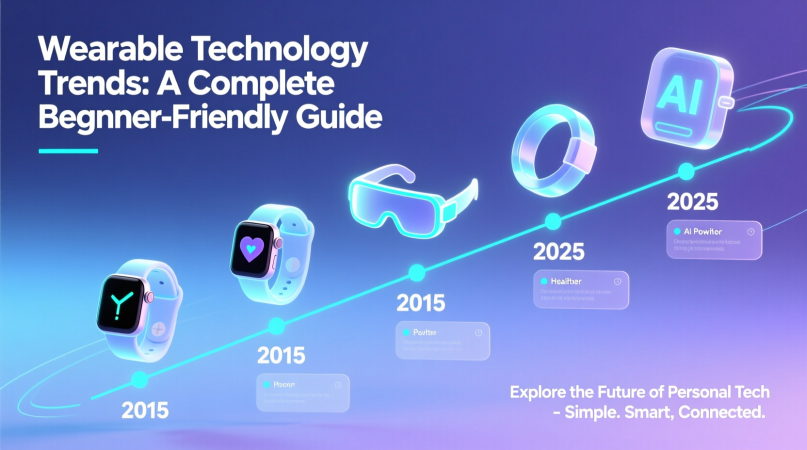
Wearable technology trends are changing how people live, work, and take care of their health. From smartwatches and fitness bands to advanced health monitoring devices, wearables are becoming part of everyday life. These devices are no longer just about counting steps. Today, they track sleep, monitor heart health, support workouts, and even help manage stress. Because technology is improving fast, smart wearables are becoming more accurate, comfortable, and useful for all age groups.
In recent years, wearable technology trends have moved beyond fitness lovers. Office workers, students, seniors, and healthcare professionals now use wearables in different ways. For example, a smartwatch can remind you to stand up, drink water, or take medication on time. At the same time, health monitoring devices help users understand their bodies better and make smarter lifestyle choices.
Another reason wearable technology trends matter is accessibility. Prices are becoming more affordable, and devices are easier to use. This means beginners can start using wearables without technical knowledge. Intermediate users can explore advanced features like data analysis and performance tracking. As a result, wearable technology trends are shaping the future of personal health, productivity, and digital lifestyle.
This article explains everything in simple English. You will learn what wearable technology trends are, why they matter, how to use them step by step, their benefits, risks, common mistakes, and expert tips. By the end, you will clearly understand how smart wearables fit into modern life.
What is Wearable Technology Trends?
Wearable technology trends refer to the latest developments and changes in devices that people wear on their bodies to collect data and provide useful information. These devices include smartwatches, fitness trackers, smart rings, health bands, and even smart clothing. They are designed to be lightweight, comfortable, and easy to use throughout the day.
Most smart wearables connect to smartphones or tablets using wireless technology. They collect data such as steps, heart rate, sleep patterns, calories burned, and activity levels. Health monitoring devices go a step further by tracking blood oxygen levels, stress indicators, and irregular heart rhythms.
Wearable technology trends focus on making these devices smarter and more helpful. For example, modern wearables use sensors and software to give personalized insights. Instead of just showing numbers, they explain what the data means and suggest actions. This makes wearable technology useful for beginners and experienced users alike.
Another key part of wearable technology trends is integration. Devices now work with apps, cloud storage, and other smart systems. This allows users to view long-term progress, share data with doctors, or set personal goals. In simple terms, wearable technology trends aim to turn daily data into meaningful guidance for better living.
Why is Wearable Technology Trends Important?
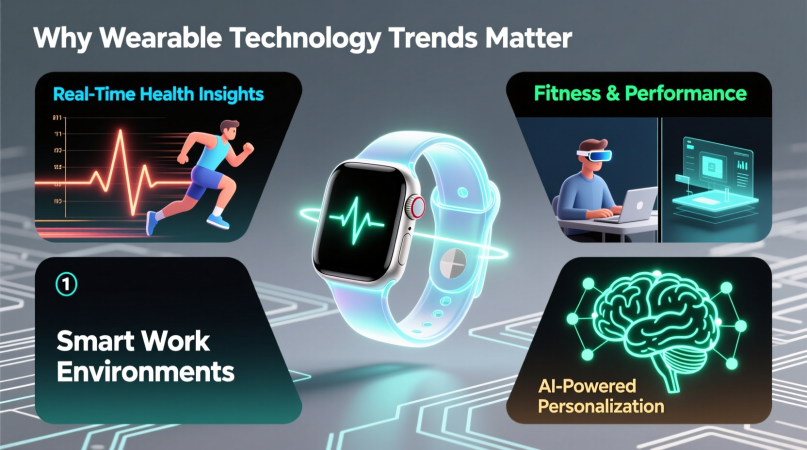
Wearable technology trends are important because they help people take control of their health and daily routines. Instead of guessing how active or healthy you are, wearables provide real data. This makes it easier to make informed decisions and improve habits over time.
One major reason for their importance is preventive care. Health monitoring devices can detect early warning signs, such as unusual heart rates or poor sleep quality. Early awareness can encourage users to seek medical advice before problems become serious.
Wearable technology trends also support motivation and consistency. Many smart wearables include reminders, rewards, and progress tracking. These features help users stay active, exercise regularly, and maintain healthy routines.
In addition, wearable technology trends are influencing workplaces and healthcare systems. Employers use wearables to promote wellness programs, while doctors use wearable data to monitor patients remotely. This saves time and improves efficiency.
Finally, wearable technology trends are important because they adapt to individual needs. Whether someone wants to improve fitness, manage stress, or track health conditions, smart wearables offer flexible solutions. This personal approach makes wearable technology valuable in modern life.
May be you like it:
Investment Guide for Beginners: A Simple Path to Smart Investing
Personal Finance Tips: A Practical Guide to Smart Money Management
Productivity Hacks 2025: A Practical Guide to Getting More Done
Detailed Step-by-Step Guide
Step 1: Identify Your Purpose
Before following wearable technology trends, decide why you want a wearable. Some people focus on fitness, while others care about health monitoring devices or productivity. Clear goals help you choose the right device.
Step 2: Choose the Right Device Type
Different smart wearables serve different purposes. Smartwatches offer many features, fitness trackers focus on activity, and smart rings provide discreet tracking. Match the device to your lifestyle and comfort.
Step 3: Check Compatibility
Make sure the wearable works with your smartphone or computer. Most wearable technology trends rely on apps for full functionality. Compatibility ensures smooth data syncing and updates.
Step 4: Set Up and Customize
After buying, set up the device properly. Enter correct personal details like age, weight, and activity level. Customization improves accuracy and makes health monitoring devices more useful.
Step 5: Learn Basic Features
Start with basic functions such as step counting, heart rate tracking, and sleep monitoring. Beginners should avoid advanced settings at first and focus on daily use.
Step 6: Explore Advanced Features
Once comfortable, explore features like workout modes, stress tracking, and notifications. Many wearable technology trends include insights and reports that explain your data clearly.
Step 7: Build Daily Habits
Wear the device regularly and check data at the same time each day. Consistency helps smart wearables provide accurate trends and meaningful feedback.
Step 8: Review and Adjust Goals
Use weekly or monthly reports to review progress. Adjust goals based on results. This step ensures wearable technology trends support long-term improvement.
Benefits of Wearable Technology Trends
- Improved health awareness through real-time data
- Better fitness tracking and activity motivation
- Early detection of health issues using health monitoring devices
- Personalized insights and goal setting
- Increased productivity and time management
- Easy integration with smartphones and apps
- Support for remote healthcare and wellness programs
Disadvantages / Risks
- Privacy concerns related to personal data
- Over-reliance on devices instead of professional advice
- Battery life limitations in some smart wearables
- Possible discomfort when worn for long periods
- Data accuracy may vary between devices
- Initial cost can be high for advanced models
Common Mistakes to Avoid
One common mistake is buying a device without understanding its features. Many users follow wearable technology trends without checking if the device fits their needs. This leads to disappointment.
Another mistake is ignoring setup instructions. Incorrect personal data can affect accuracy, especially in health monitoring devices. Always complete setup carefully.
Some users check data too often and feel stressed. Wearable technology trends should support wellness, not cause anxiety. Focus on long-term patterns instead of daily fluctuations.
Skipping updates is also a mistake. Updates improve performance and security. Keeping smart wearables updated ensures better results and safety.
May be you like it:
Entrepreneurship Ideas: Practical Ways to Start and Grow Successfully
Stock Market Updates: A Complete Guide for Beginners and Growing Investors
Business News 2025: Trends, Growth, and Future Insights
FAQs
What are the most popular wearable technology trends today?
Current wearable technology trends include smartwatches with health tracking, smart rings, and advanced fitness trackers. Health monitoring devices with heart and sleep tracking are especially popular.
Are wearable devices accurate for health tracking?
Most smart wearables provide good estimates for daily tracking. However, they are not medical devices. Data should support awareness, not replace professional diagnosis.
Can beginners easily use wearable technology?
Yes, modern wearable technology trends focus on simplicity. Most devices offer easy setup, clear displays, and user-friendly apps suitable for beginners.
How do wearable devices help with fitness?
Fitness trackers monitor steps, workouts, calories, and recovery. These insights motivate users and help maintain consistent exercise routines.
Is personal data safe on smart wearables?
Data safety depends on the brand and settings. Users should review privacy options and choose trusted devices within wearable technology trends.
How long do wearable devices last?
Most smart wearables last several years with proper care. Battery life varies, but regular charging and updates extend usability.
Expert Tips & Bonus Points
Experts suggest starting simple when following wearable technology trends. Choose a device that matches your main goal instead of one with too many features.
Wear the device consistently, but take breaks if discomfort occurs. Comfort improves long-term use and data quality.
Review weekly summaries instead of daily numbers. This provides clearer insights and reduces stress.
Use wearable data as guidance, not rules. Combine smart wearables with healthy habits, balanced diet, and professional advice.
Finally, stay informed about updates. Wearable technology trends evolve quickly, and new features can improve your experience without buying new devices.
Conclusion
Wearable technology trends are shaping the future of personal health, fitness, and digital living. These smart wearables help people understand their bodies, improve daily habits, and stay connected in simple ways. From basic fitness trackers to advanced health monitoring devices, wearables offer practical tools for beginners and intermediate users alike.
The true value of wearable technology trends lies in awareness and consistency. By tracking daily activity, sleep, and health indicators, users gain insights that were once hard to access. This information supports better decisions and encourages positive lifestyle changes over time.
However, it is important to use wearables wisely. They should support well-being, not create stress or replace professional care. Choosing the right device, setting realistic goals, and focusing on long-term trends ensures a positive experience.
As technology continues to improve, wearable technology trends will become even more integrated into daily life. They will be more accurate, comfortable, and personalized. By understanding how these devices work and how to use them correctly, anyone can benefit from smart wearables and enjoy a healthier, more informed lifestyle.
May be you like it:
Latest Movie Releases: Complete Guide for Movie Lovers
Upcoming Web Series: A Complete Guide for Viewers and Fans
Music Charts and Updates: A Complete Beginner’s Guide
Movie Reviews Online: A Complete Guide for Beginners and Learners